
Nomads of the Seas: The Bajau People of Indonesia
Nomads of the Seas — The Bajau People of Indonesia
Scattered across the turquoise waters of Southeast Asia, the Bajau have lived for centuries in harmony with the ocean. A thousand years on water, shaping their traditions, survival skills — and even their biology.
One thousand years on water, three borders crossed at will
Known as the “Sea Nomads,” the Bajau have lived for over a millennium between the southern Philippines, the Sulu Archipelago and the eastern shores of Indonesia. Their world is not bounded by countries — it is bounded by tides, reefs and trade winds. Oral histories describe them as expert navigators, slipping between borders to trade pearls, sea cucumbers and fish for rice and rope.
Their independence is the thread that runs through their story. Where most communities anchored to land, the Bajau anchored to the ocean — building homes on stilts above the reefs, raising children on lepa-lepa houseboats, and reading currents the way farmers read soil. Their adaptation to the sea is so deep it is now etched in their genome itself.
A culture written into both ocean and biology
A deep history
The Bajau trace their origins back over a thousand years, with most accounts placing their cradle in the southern Philippines and the Sulu Archipelago. From there, they moved south and east along the maritime trade routes — engaging with sultanates, traders and missionaries without ever fully belonging to any of them.
Unlike other seafaring peoples of the region, they did not build kingdoms. They built boats. Their deep familiarity with reef passages, monsoon timing and hidden anchorages allowed them to slip away from pirates and colonial conflicts alike, ensuring their continuity even through centuries of upheaval.
A life on water — the lepa-lepa
Where most communities settle on land, the Bajau drift. Their houses rise on stilts above the shallows of Indonesia, Malaysia and the Philippines — entire villages built on a forest of timber legs, connected by walkways and tied to the reef.
Off the village, the lepa-lepa — the iconic Bajau houseboat — is both vessel and home. Cooking, sleeping, fishing and child-rearing all happen on its deck. For many families, the boat is the only ground they will ever stand on. The relationship between their lives and the marine environment is not poetic — it is structural.
Exceptional freedivers
The most striking trait of the Bajau lives in their lungs and in their blood. Some divers can hold their breath for up to 13 minutes and reach depths of 60 metres without fins, tanks or weights — hunting with spears, gathering shellfish and harvesting sea cucumbers from the reef.
Genetic research has since shown that the Bajau have evolved larger spleens than neighbouring populations — an organ that stores oxygenated blood and releases it during dives. It is one of the rare documented cases of recent human evolution shaped by lifestyle.
Cultural resilience
Despite a nomadic lifestyle, the Bajau hold an unmistakable cultural identity. Music and dance carry the most visible part of it — most expressively during festivals, when generations gather to celebrate their maritime heritage with rhythms tied to the sea.
Modernisation has changed the conditions of that resilience. Governments push for registered residence and schooling. Overfishing and warming reefs erode the food base that has sustained Bajau communities for centuries. The lifestyle does not disappear — it adapts, sometimes painfully, generation after generation.
The future of the Sea Nomads
As maritime borders harden and conservation zones expand, the Bajau face an uncertain horizon. Some communities have transitioned to shore-based life, joining modern economies while keeping a foot — and a boat — in the sea. Others continue to resist, determined to remain true nomads of the ocean.
Their story is one of resilience and adaptation — a reminder of how a culture can hold its centre of gravity at sea level. Visiting their waters is not a spectacle; it is a privilege, and one that asks for the lightest possible footprint from those who sail through.
A glimpse of life among the Bajau
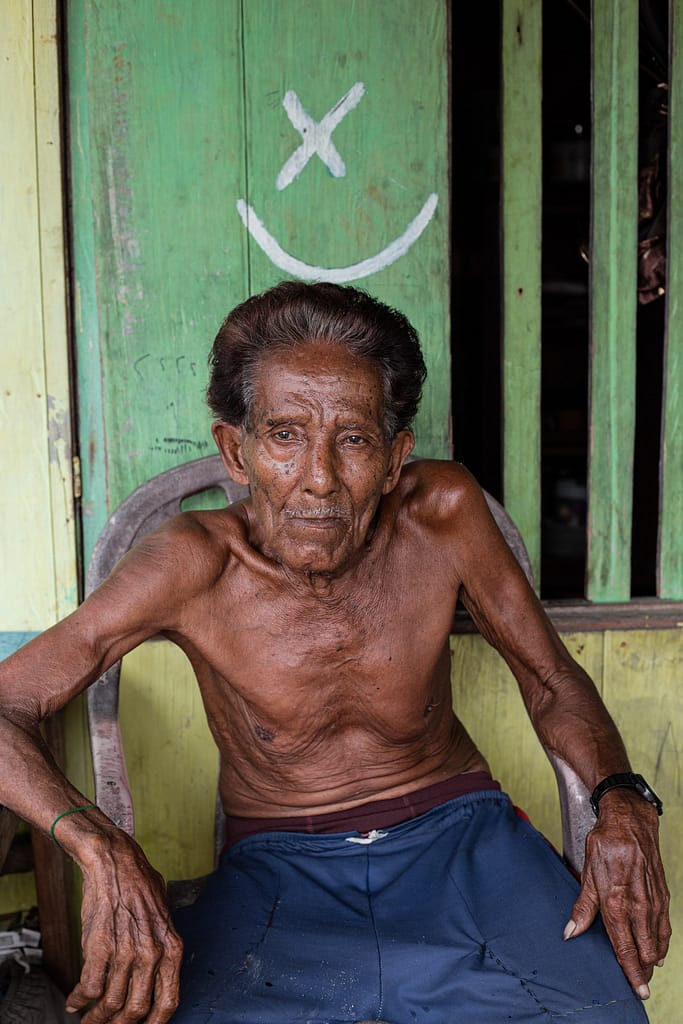
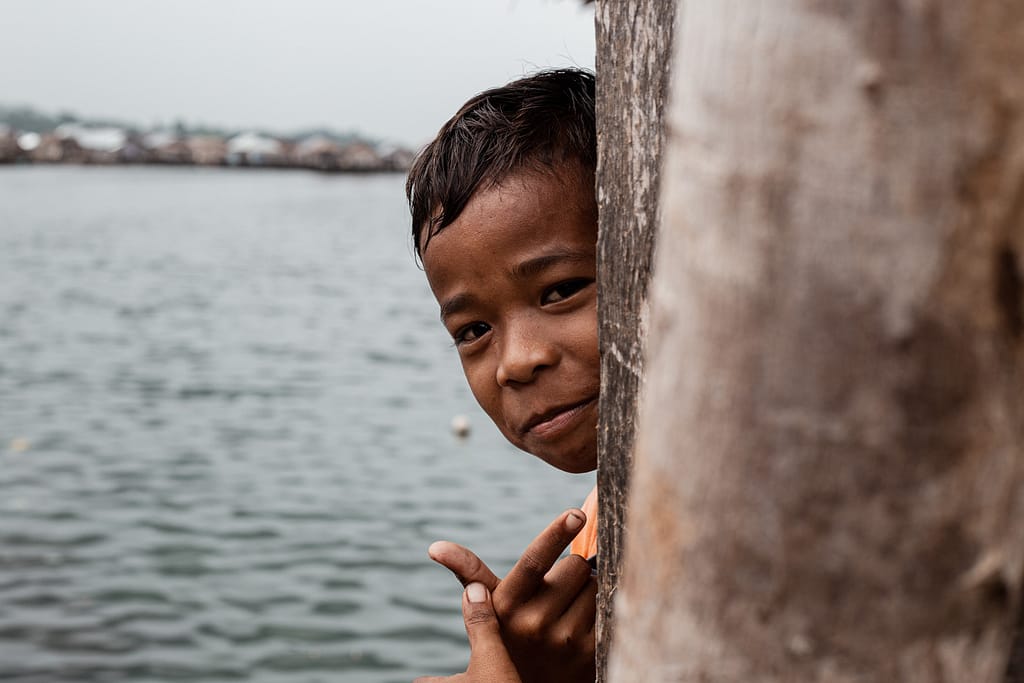
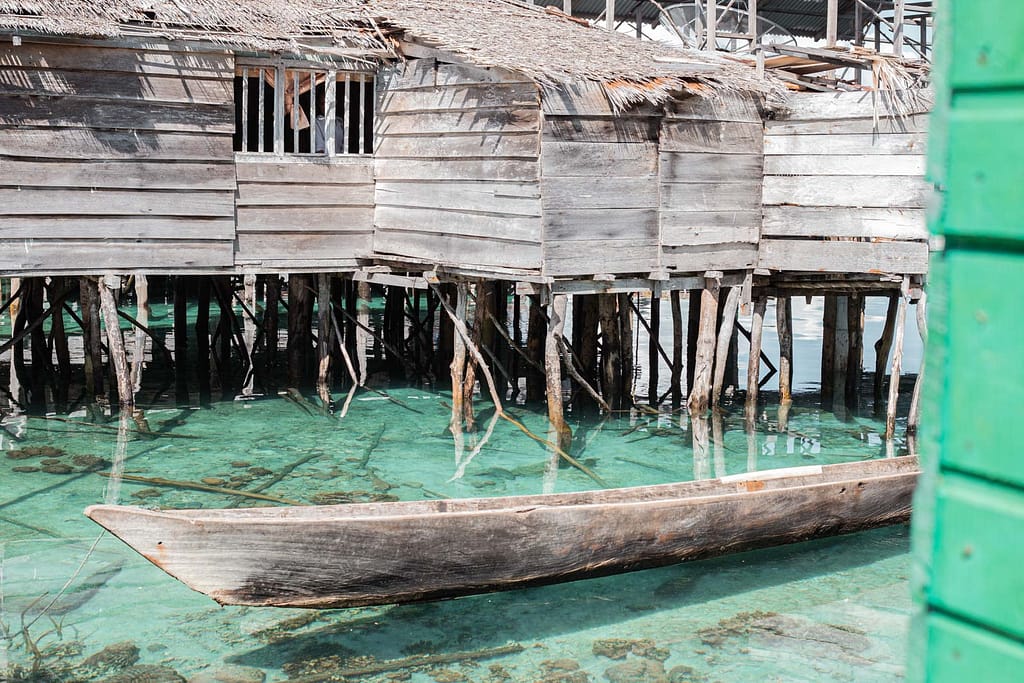
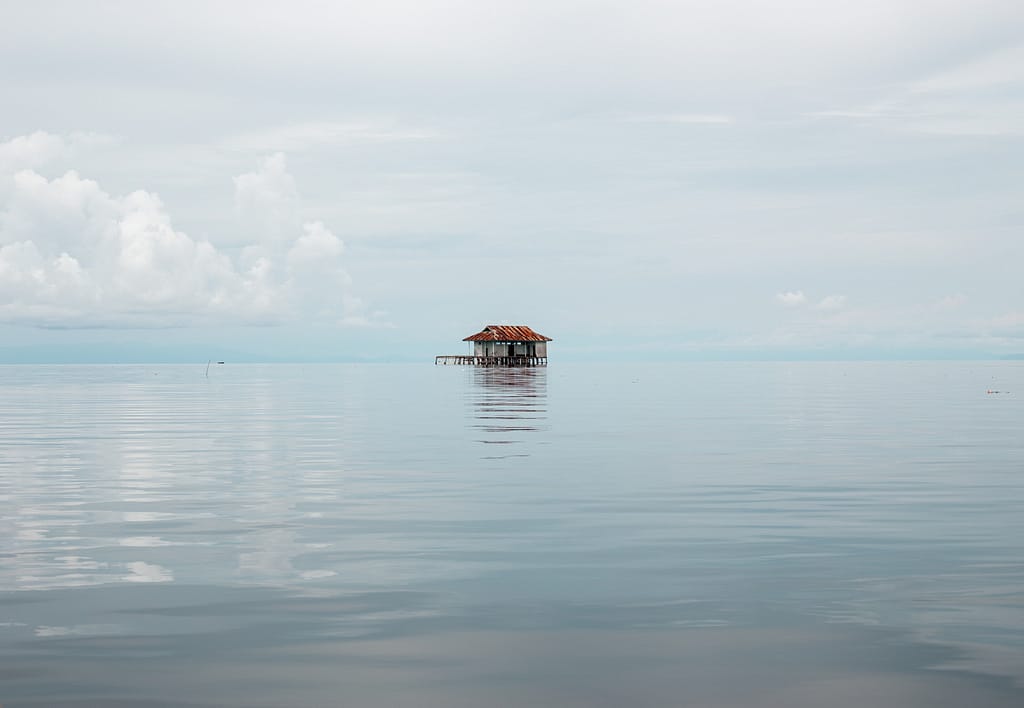
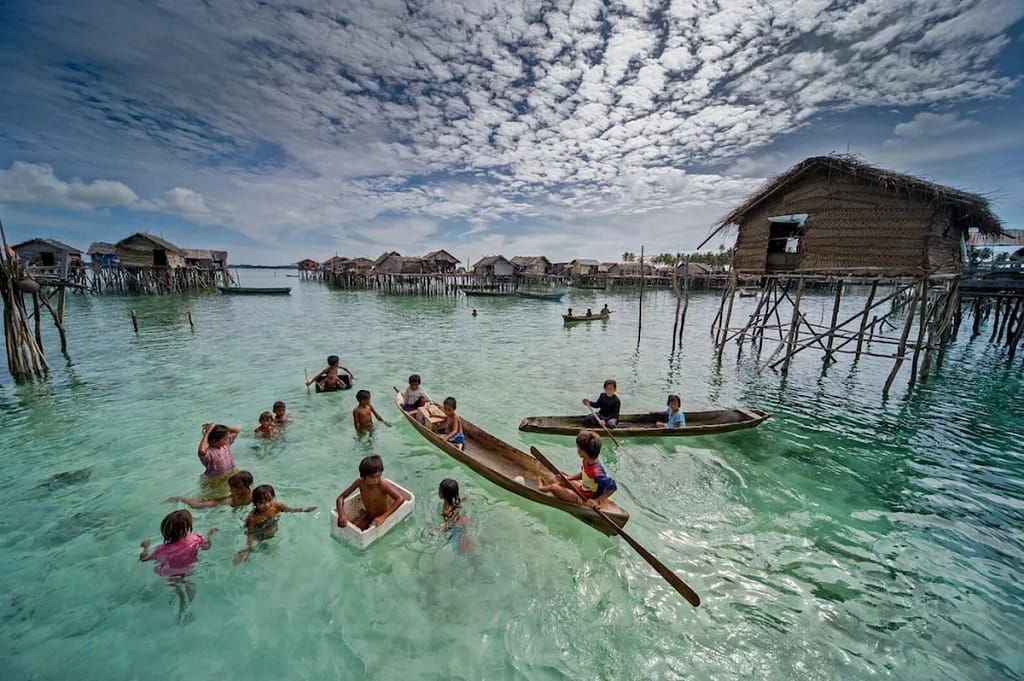
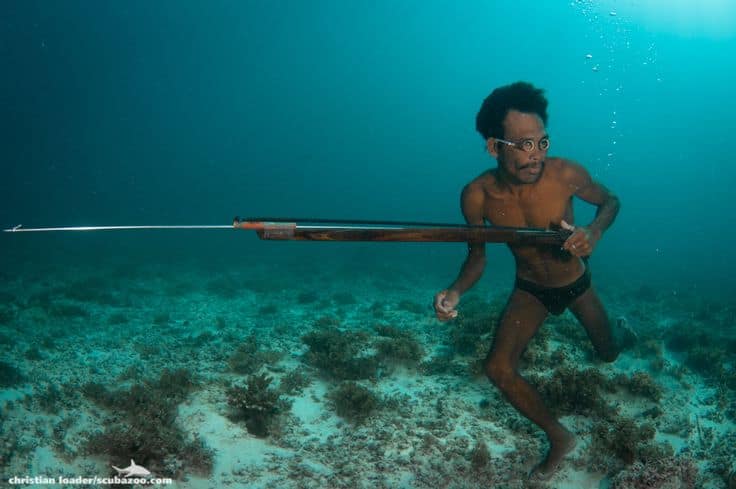
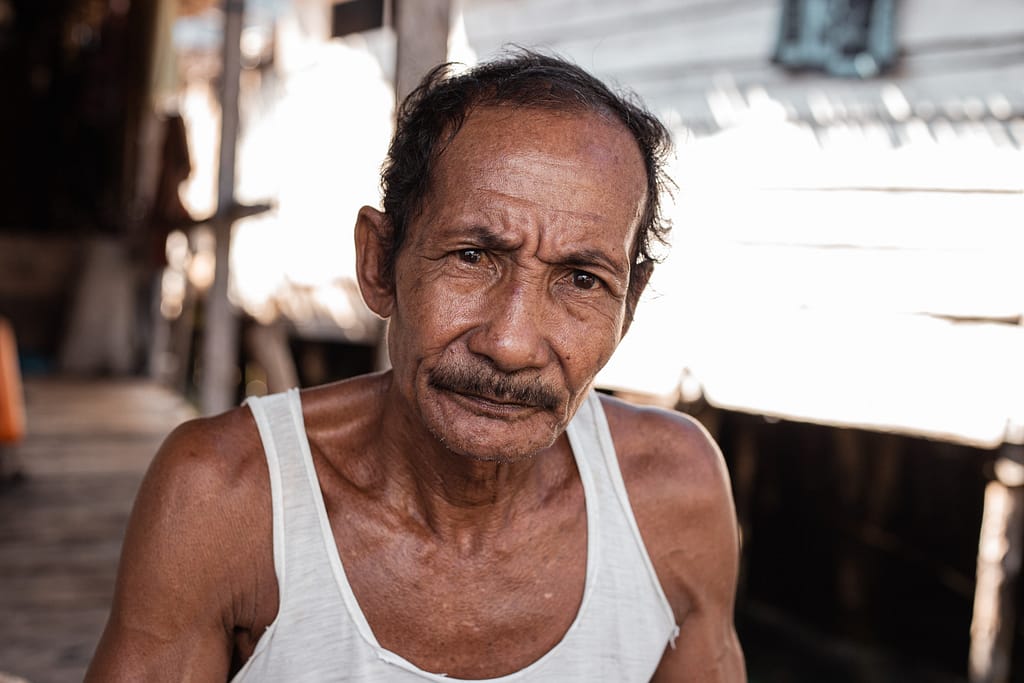
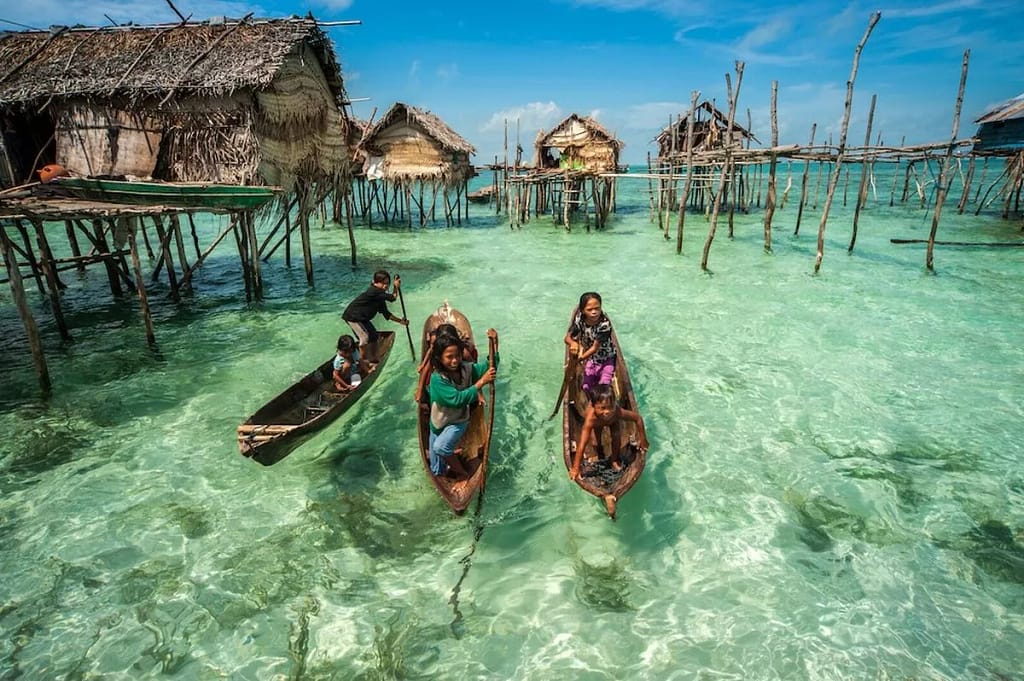
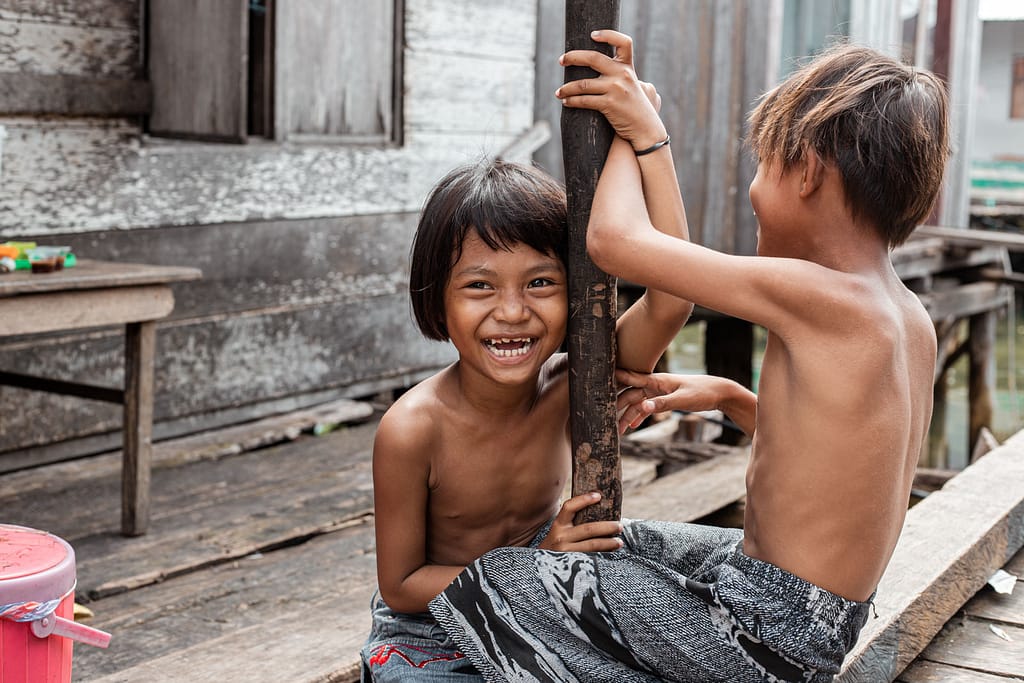
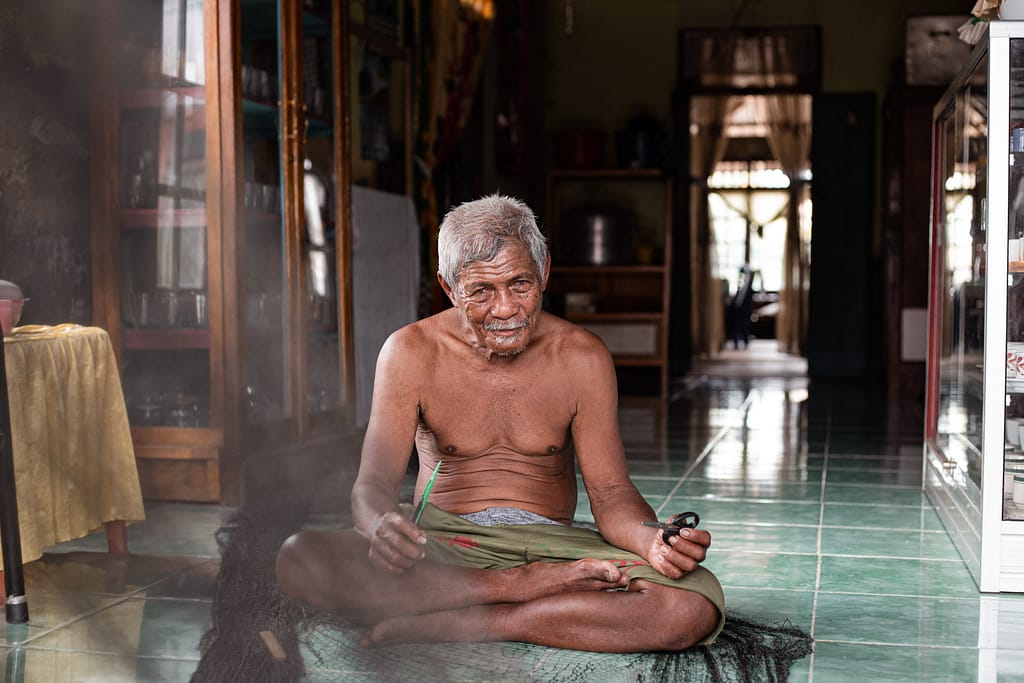
“One of the most unforgettable travel memories — meeting the Bajau, photographing their daily life on the water and stepping for a moment into their world. If you ever have the chance to sail through their villages, take it.”
Sources & credits
Photography © 2025 Pauline Suc Photography. All rights reserved.
- The last sea nomads — a stateless future on land The Guardian · 2023
- The last of the sea nomads The Guardian · 2010
- First known humans genetically adapted to diving National Geographic
- Diving for dinner with the Sea Gypsies National Geographic
- The mystery of the Bajau freedive, solved The Guardian · 2018
Sail to meet the Sea Nomads
The Bajau villages of Sulawesi and the Banda Sea are best reached by traditional Indonesian phinisi or private yacht. Tell us your dates, group size and travel style — you’ll receive a tailored proposal within 24 hours, with the boat and itinerary best matched to your trip.

As a photographer, it was one of my best travel souvenirs. Meeting these amazing people and exploring their culture and traditions was unforgettable. I highly recommend the experience if you ever get the chance to discover this tribe.